News & Events
Recent news

NNN Conference 2023
2 Oct 2023The annual conference of the Neglected Tropical Disease NGO Network (NNN) was held in Dar es Salaam, Tanzania from 19-21 September. There was strong representation from the leprosy world. More than 100 attendees had connections with leprosy organisations, including ILEP […]
Global Leprosy Update 2022
2 Oct 2023The WHO Global Leprosy Programme has published the Global Leprosy Update for 2022 in the Weekly Epidemiological Review and the Global Health Observatory. Because of the wealth of data presented, the annual Update is eagerly awaited by the leprosy community. […]
New WHO technical guidance: Interruption of transmission and elimination of leprosy disease
28 Jul 2023In a consultation event in Manila this month, World Health Organization released its new technical guidance Interruption of transmission and elimination of leprosy disease. This is the culmination of three years of work by a WHO task force which involved […]

UN Special Rapporteur – Leprosy
30 Jun 2023The UN Special Rapporteur on discrimination against persons affected by leprosy and their family members, Alice Cruz, gave her final report to the Human Rights Council this month. The report is a fine reflection on the achievements of her mandate […]
WHO Global Meeting on Skin NTDs
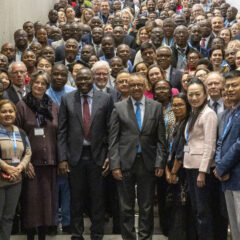
3 Apr 2023More than 800 people registered for the first WHO global meeting on skin NTDs (Geneva: 27-31 March). 50% listed leprosy as a disease interest, and many ILEP members were represented among the 300+ in-person participants. The number, quality and range […]
Upcoming events
WHO South East Asia region NTD partners’ meeting
16-17 April 2024 | Delhi, India Visit site →Leprosy Research Initiative Spring meeting
17-19 April 2024 | Eindhoven, Netherlands Visit site →COR-NTD regional meeting for South East Asia
18-19 April 2024 | Delhi, India Visit site →ILEP Members’ Assembly
24-26 April 2024 | Virtual Visit site →IDDC General Assembly
15-17 May 2024 | Brighton, UK Visit site →ESCMID leprosy training program
20-22 May 2024 | Bergen, Norway and virtual Visit site →Leprosy zero transmission symposium
23-25 May 2024 | Bergen, Norway Visit site →NNN Conference
1-3 October 2024 | Kuala Lumpur, Malaysia Visit site →ILEP Members’ Assembly
6-8 November 2024 | Bologna, Italy Visit site →NTD Conference 2024
14-16 November 2024 | Nairobi, Kenya and virtual Visit site →
Sign up for ILEP Updates
Sign up to receive the monthly ILEP Update, a bulletin of leprosy-related news, developments and events of interest to ILEP Members, staff and partners.
Newsletter archive
You can view our past newsletters here:
- March 2024
- February 2024
- January 2024
- December 2023
- November 2023
- October 2023
- September 2023
- August 2023
- July 2023
- June 2023
- May 2023
- April 2023
- March 2023
- February 2023
- January 2023
- December 2022
- November 2022
- October 2022
- September 2022
- August 2022
- July 2022
- June 2022
- May 2022
- April 2022
- March 2022
- February 2022
- January 2022
- December 2021